September 1, 2010

Breast cancer survivor speaks of ‘devastating’ battle with hair loss

Filed under: Hair Loss in the News, Hair Managment options — catherine @ 10:39 am

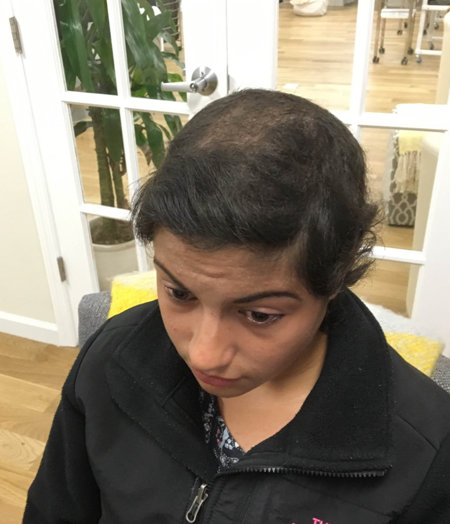
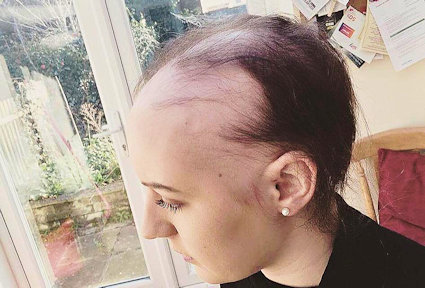
One of the most devastating side effects of chemotherapy for women is hair loss, as it can negatively impact self-esteem and confidence. Whilst the sufferer will be relieved to be free of cancer, the treatment can have more long-lasting effects.

Speaking to Wales Online this week was Cathy Fisher, a breast cancer survivor who lost all of her hair during chemotherapy treatment. She has explained her battle with hair loss – marking it as the worst part of her illness – and the effect it has had on her life.

Cathy, now 45, started to lose her hair during her third course of chemotherapy. She describes what happened:

“I woke up one morning feeling like death and I looked at the pillow and there was my hair. It was devastating.”

Cathy took the bold step of cutting all of her hair, but this upsetting experience made her feel even worse. She says that she no longer felt attractive in her partner’s eyes.

Describing how she felt when the hair started to grow back, Cathy says:

“I couldn’t wear a scarf over my head or a wig because it was too hot so I was walking around with this awful hair until it grew to a certain length and I became socially acceptable again.”

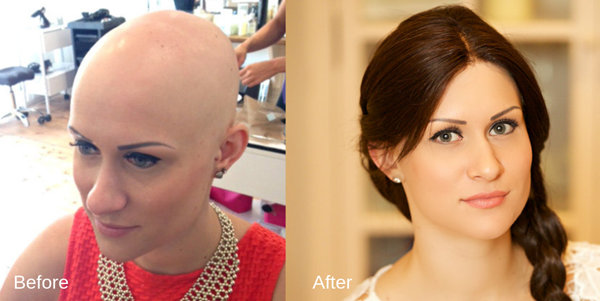
For women like Cathy who lost their hair during chemotherapy, there are now more advanced solutions available to help. You could try hair replacement treatment, or one of the increasingly realistic human hair wigs now being made.

August 30, 2010

Want freedom from wigs? Consider hair replacement treatment

Filed under: Hair Loss Treatments, Hair Replacement — catherine @ 10:43 am

Although human hair wigs are a good solution for temporary hair loss and they are becoming increasingly more realistic-looking and easy to wear; they aren’t the right solution for every hair loss sufferer.

It makes sense that more permanent conditions require a more permanent solution, one that gives you the freedom you need and allows you to live your life as normally as possible. Losing your hair changes the way you look at yourself and how you interact with people, and wearing a wig doesn’t always help you shake off that self-conscious feeling.

So what alternatives are there for women with hair loss?

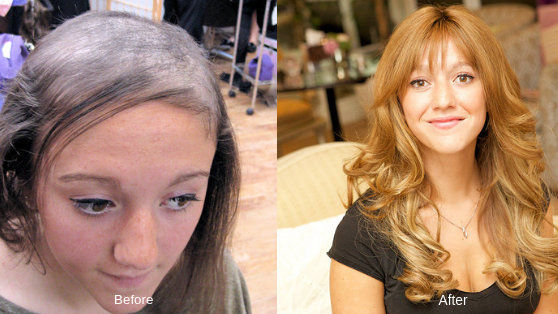
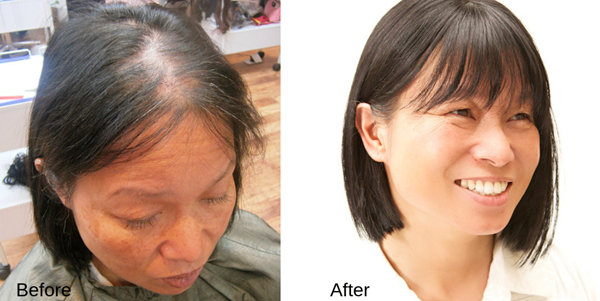
Hair replacement therapy has advanced at a tremendous pace in the last few years and although it can’t offer any miracle cures, it can offer you the freedom you need and help to restore your self- confidence.
A key example of this is the Intralace system, which is a viable alternative to the standard human hair wig.

The system can either be used as a way of making clients hair look fuller and thicker, or as a wig alternative for those with full head hair loss. It is a permanent solution lasting two to three years, helping to restore a natural looking hairline and boost overall volume without the need for daily maintenance.

August 28, 2010

Will hair replacement treatment stop my natural hair growing back?

Filed under: Hair Replacement — catherine @ 12:59 pm

If you have suffered or are suffering with hair loss, it is likely that’ll you have looked far and wide for a way to disguise your problem. Hats and head scarves are an ineffective short-term fix, and not every hair loss condition is severe enough to consider human hair wigs.

This is why hair replacement treatments have become so popular, as they improve the appearance of natural hair in a more permanent way. The most effective solutions include:

• Medi Connections – These are a lightweight, more specialist version of hair extensions, designed to boost the volume of hair whilst still maintaining a natural appearance.

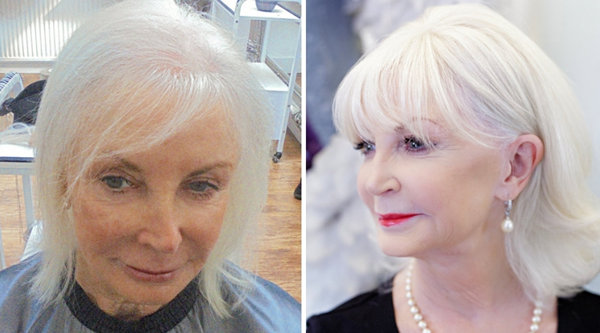
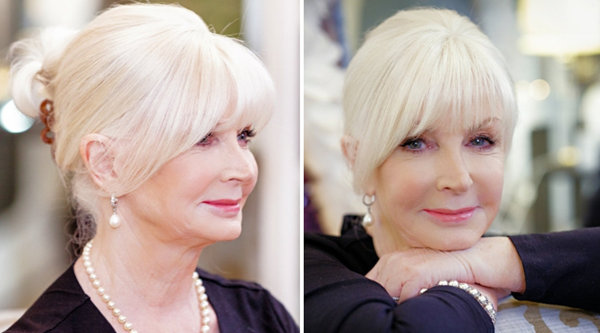
• The Intralace System – This pioneering treatment consists of ultra-fine mesh panels containing human hair being integrated into your existing hair. A natural-looking parting can also be added. This method disguises hair loss and still allows you to wash and style your hair and live your life as normal.

Concerns

A lot of women considering either of the aforementioned treatments are worried about one key issue – will the natural hair be able to grow under the hair replacement method? Such fears are unnecessary, as the treatments have been specially designed to allow natural hair regrowth. If your hair grows enough, you will be able to get the Intralace System or Medi Connections extensions removed.

August 27, 2010

How to get your confidence back after hair loss

Filed under: Hair Loss Treatments, Hair Managment options, Hair Replacement — catherine @ 10:41 am

Losing your hair can knock you for six, shattering your confidence and changing your perception of yourself and your place in the world. Some people will take the view ‘it’s only hair’, but it isn’t only hair; it’s an integral part of your self-esteem.

From being a young child to an adult woman, we are conditioned by the media, entertainment and fashion industries to believe that shiny, healthy hair is a symbol of beauty, youth, femininity and sexuality. This is why losing it can be so devastating, as we feel that all of these ‘attractive’ qualities are robbed from us, often without warning.

Confidence-boosting tips

The key to regaining your self-esteem and confidence when interacting with the world is acceptance. Once the initial panic of losing your hair has passed, you can accept what has happened and start to look for solutions.

Here are some confidence-boosting solutions for:

Temporary hair loss (caused by hormonal changes such as pregnancy)

Whilst you are waiting for your hair to fully grow back; human hair wigs are a great idea. Some of the latest wigs are extremely realistic, so you never need to feel self-conscious about your appearance.

Permanent hair loss (caused by alopecia, female pattern baldness)

Hair replacement treatment has improved rapidly in the last few years, with solutions such as the Intralace system offering you a way of disguising hair loss even if you cannot cure it.

August 26, 2010

Elin Nordegren speaks of hair loss caused by Tiger Woods divorce stress

Filed under: Hair Loss in the News — catherine @ 1:22 pm

Stress can cause all sorts of changes in the body, both mental and physical. The stress of a messy divorce –or other difficult emotional times such as a death in the family – can cause everything from weight loss and insomnia to hair loss.

This is what happened to former model Elin Nordegren, who this week officially finalised her divorced from famous golfing husband Tiger Woods. Speaking to People Magazine in her one and only interview, Nordegren spoke of the emotional turmoil caused by the revelations of Woods’ nineteen suspected affairs, and of the stresses of the divorce proceedings.

Speaking of her experiences, Nordegren said:

“It’s hard to think you have this life, and then all of a sudden — was it a lie? You’re struggling because it wasn’t real. But I survived. It was hard, but it didn’t kill me.”

In the days before the divorce was finalised, however, Nordegren says that her trademark long, blonde hair began to fall out due to the stress of it all. Not only was her marriage shattered, but her self-esteem and confidence in her appearance was under threat as well.

For women, the loss of hair can be a devastating experience. It undermines confidence, self-esteem and can interfere with the way you live your life. There are solutions available though – such as hair replacement treatment or human hair wigs – so that you don’t have to live under the shadow of hair loss.

August 25, 2010

Examining the link between female hair loss and diet

Filed under: Hair Loss General — catherine @ 5:25 pm

Sadly, there is no miracle cure for female hair loss, nor is there one particular type of food you can eat to either prevent hair loss or cause hair to grow back. The best way to find a solution to your problem is to consult your GP or a hair loss specialist.

However, there is a link between some aspects of female hair loss and the sufferer’s nutritional intake. Whilst permanent hair loss is usually caused by genetic disposition, temporary loss or thinning of hair can be affected by nutritional deficiencies.

The following is a brief outline of the vitamins involved in hair growth and loss:

Vitamin A – You need a sufficient intake of Vitamin A to promote the growth of healthy hair and scalp tissues. A prolonged deficiency can cause cellular debris to accumulate in the hair follicles, resulting in hair loss.

Zinc – A mineral which promotes cell reproduction, tissue growth and repair, Zinc deficiency has often been associated with dandruff and hair loss.

Vitamin B6, vitamin B12, folic acid – These B Vitamins are essential for ensuring that your scalp receives enough blood and oxygen to keep it healthy and strong. A deficiency could cause shedding or thinning hair, as well as slow regrowth.

Other vitamins and minerals associated with hair growth and loss include: iron, Vitamin C, copper, and protein.

Female hair loss after pregnancy: why does it happen?

Filed under: Hair Loss General, Hair Managment options — catherine @ 1:02 pm

Many women notice changes to their body after pregnancy, one of the most upsetting being hair loss. But what causes this to happen, and what solutions are available to treat your hair loss problem?

Causes of post-pregnancy hair loss

At any one time, around 90 per cent of your hair is in the ‘growing’ phase whilst 10 per cent is in the ‘resting’ phase. This ‘resting’ hair falls out every few months, allowing new hair to grow in its place.

The hormonal changes that occur during pregnancy can disrupt this cycle, causing more hair than normal to simultaneously enter the ‘resting’ phase. This is called telogen effluvium, and it usually occurs a few months after giving birth in around 40-50 per cent of women.

Solutions

Like many other changes that take place during pregnancy, this type of female hair loss is generally temporary. Although you may notice thinning or light shedding, the condition of your hair should improve approximately 3-5 months after giving birth as the hormone levels start to return to normal.

However, this condition can be extremely distressing for women, especially if you have the stress of being a new mother to contend with as well. This is why hair loss specialists have developed a number of interim, such as human hair wigs.

August 24, 2010

Coping with the side effects of chemotherapy

Filed under: Hair Loss General, Hair Managment options — catherine @ 3:03 pm

Although nothing can be quite as devastating as cancer, some of the side effects of cancer treatment can be fairly traumatic. For women, this means hair loss.

Chemotherapy treatment attacks all rapidly-dividing cells, regardless of whether they are healthy or not. As hair follicles grow so fast, these are amongst the first to be depleted. This results in rapid shedding of the hair, at a rate that can be alarming and upsetting to the patient.

Losing all your hair at once can be a frightening and debilitating experience, especially for women living in a world that sees thick, healthy hair as a sign of youth and beauty. Breast cancer charity founder and radiation oncologist Marisa Weiss elaborates on this, saying:

“There are studies that show that for many women, losing their hair is worse than losing a breast. That’s because you can conceal the loss of a breast, but hair loss is so obvious and apparent,”

Preparing for hair loss caused by chemotherapy

The best defence against the rapid hair loss caused by chemotherapy is to prepare for it ahead of time. It generally happens to everyone who undergoes the aggressive treatment, but you needn’t let it come as a shock.

But what are your options? Some women choose to take back control of the situation and shave their heads before their hair can fall out, whilst others prepare to use headscarves and other head coverings. One of the best options, however, is human hair wigs, which can now be made to look as realistic as your original hair. Consult a hair loss clinic or human hair wig specialist to find out more.

Improving hair density and volume with Medi Connections

Filed under: Hair Replacement — catherine @ 8:50 am

Hair loss and thinning hair can be exceedingly difficult to treat, and most sufferers with hair loss conditions know that there is no ‘miracle cure’ or quick-fix solution. However, there are now ways to improve the appearance of thinning hair, thanks to significant advancements in hair replacement treatment and technology.

Medi Connections: the best treatment for reduced volume

This treatment is suitable for women with very fine hair, or those who have experienced a general reduction in hair volume. This can be caused by a number of conditions, from mild alopecia and telogen effluvium to the first stages of female pattern hair loss.

How does it work?

Medi Connections work in a similar way to hair extensions, except that they are ultra-fine and light in weight. They are placed in strategic areas on the scalp to provide coverage where the hair is thinning, resulting in a volume boost that lasts approximately 12 to 14 weeks. As long as the hair is stable enough to support the Medi Connections extensions (this can be determined via a test patch), they will also allow your hair to regrow naturally and you to wash, style and tint your hair as normal.

If you are experiencing thinning hair rather than severe hair loss, this solution could be perfect for you.

August 23, 2010

UK’s first alopecia camp in Scarborough a success

Filed under: Hair Loss General, Hair Loss in the News — catherine @ 4:16 pm

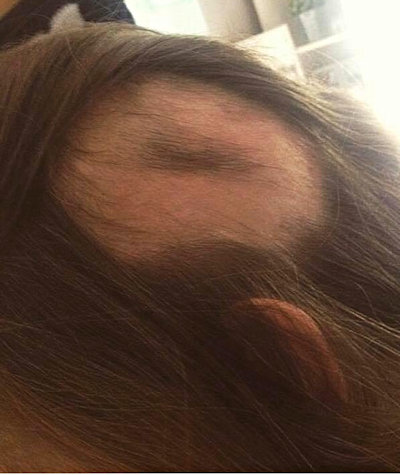
Three million people in Britain are currently affected by alopecia but for some reason, the condition still has a stigma attached to it. This is especially the case for women and children, as hair loss is more commonly seen in men.

This is why the Bebold Support Group and Alopecia Awareness teamed up to open the UK’s first alopecia camp, which has now been heralded a success after its July 30th open day. Alopecia sufferers from all over the country were invited to visit the camp for a week and spend time with others who have the same condition.

The psychological effects of sudden hair loss can be devastating, which is why alopecia sufferers need the kind of support and understanding offered at the Scarborough camp.

Michelle Chapman, a childhood alopecia sufferer and member of Alopecia Awareness, has spoken of her own experiences and what the camp means to alopecia sufferers and their families. She said:

“If I’d had the chance to meet others living with hair loss, it would have made a huge positive difference to me and my family. Instead, I felt as if I was the only bald girl in the world.

“These children and adults will have the chance to spend time with people who truly understand and never feel as alone and embarrassed as I did.”